
What are heatwaves?
Mika and I were looking through the photos from our trip to Spain last summer. One picture from Madrid immediately caught our attention. The bright sunshine, the empty playground, and the way we were squinting at the camera reminded us of just how hot that day had been.
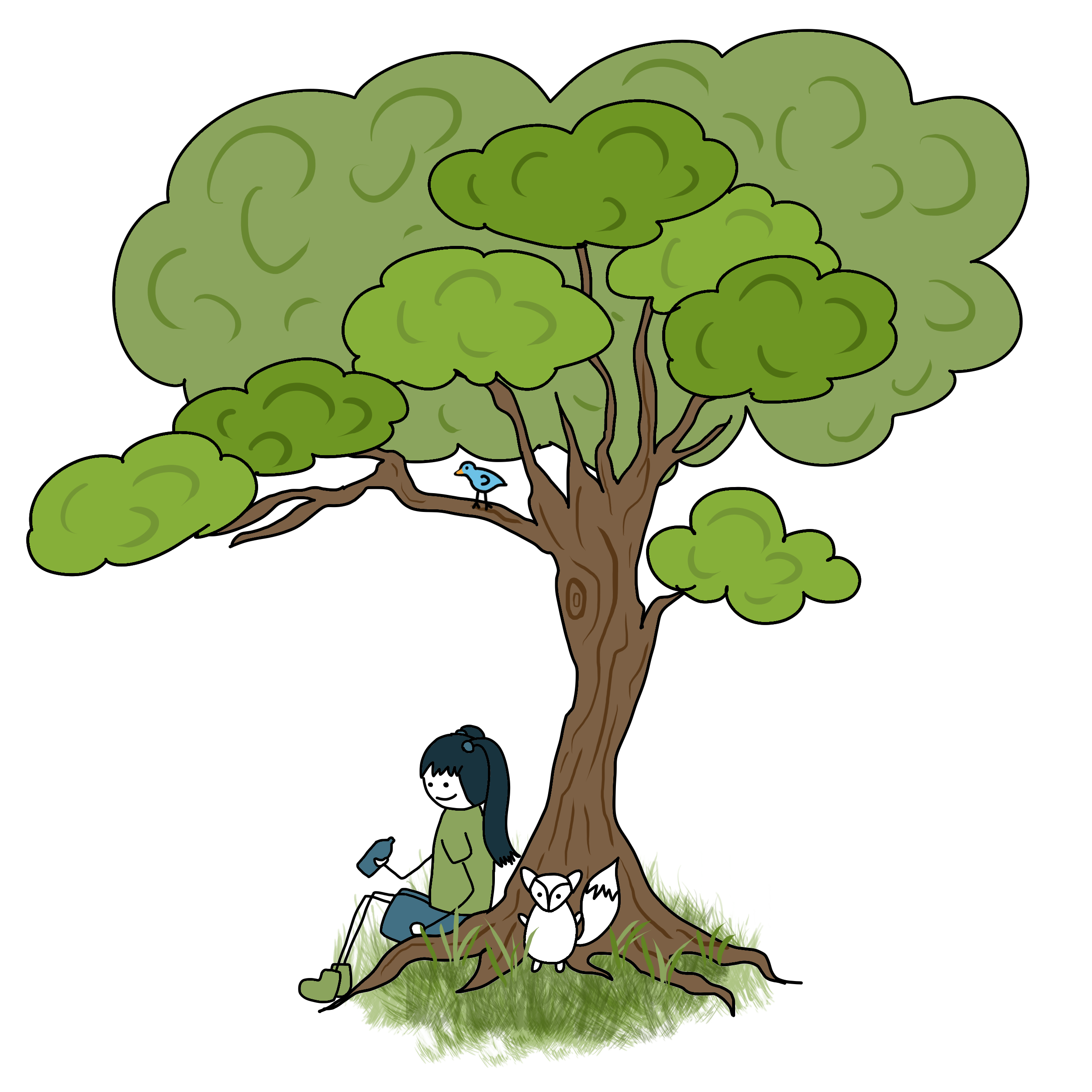
The sun had been beating down on the playground, making the metal slides look like they were glowing. We had hurried to the shade of a giant tree, and the cold sips from our frosted water bottles felt like the best thing in the world.
I could still remember the conversation we had while standing there.
“I feel like a melting popsicle,” Mika sighed, wiping his forehead. “Is it always this hot in Madrid, or is the sun just angry at us today?”
I laughed, though I felt the heat too. “It’s a heatwave, Mika. My grandad says they used to be rare, but now they visit us too often and stay far too long.”
“Is there a rule for when it becomes a heatwave?” Mika asked, fanning himself with his notebook.
“Actually, there is a definition,” I answered. “It’s not just that it feels hot. Scientists usually call it a heatwave when the temperature stays unusually high for three or more days in a row compared to what’s normal for that place.”
Mika nodded.
“So if it’s 35°C in London, that’s a huge heatwave because they’re used to cooler weather. But in Seville, they might just call that a normal Tuesday.”, I continued explaining
“Do heatwaves only occur during summer; does that mean we’re safe in the winter?” Mika asked hopefully.
“Mostly, yes,” I said. “Heatwaves are usually a summer thing. But because the planet is getting warmer, we sometimes see heat spikes in late spring or even early autumn. The really intense ones, the kind that make everything feel like melting, happen in summer though.”
Mika looked out at the playground, where the heat almost felt like fire above the pavement. He was relieved that his hotel room had an air conditioner.
“What did people do before everyone had fans and air conditioners?” He asked.
“Earlier, most homes didn’t have air conditioning, and the old stone buildings trapped heat like ovens. People felt exhausted, worried, and additionally, many farmers lost their crops.”, I answered. “And now it’s happening more often. Climate change is like a volume knob for the planet’s temperature. It turns the normal summer heat up higher. The atmosphere traps more heat because of greenhouse gases , so heatwaves are becoming longer, hotter, and more frequent.”
Mika took another sip from his bottle.
“I’m tired, but I’m okay,” he said. “But I saw an old lady struggling near the playground.”
“That’s because heat affects people differently,” I explained. For old people, their bodies do not cool down as quickly as it might be for younger ones. And it is important that we look out for each other during heatwaves
“So what’s the plan?” Mika joked. “Do we just live under this tree forever?”
I laughed. “Well, there are things people can do right now, and things we can do for the future. Close shutters or curtains during the day to keep the sun out and cool public spaces, cities can open libraries or public buildings where people can cool down. For the future, we can plant more trees as they are natural air conditioners”.
Mika looked at me with a puzzling smile. “I can’t plant a whole forest by myself, Mia?”
“More than you think,” I smiled. “Small actions from lots of people can make a big difference.” I further explained that to save energy we can turn off lights and electronics when not in use. We should work to create awareness about climate change. When people understand climate change, they care more about solving it. On a hot day, leaving a small bowl of water outside for birds and bees can be of great help.
“I can definitely do the water bowl thing,” Mika said. Then we both looked back at the old photo from Madrid and laughed. “And next time,” Mika added, “we bring two bottles of water.” “Or three,” I said. “And maybe some lemonade.”
Lass dir den Beitrag vorlesen
Text: Awadhesh Pant, Illustration: Patrizia Schoch